The bobcat is the only wild cat found in North Carolina. Because the bobcat population is abundant, the North Carolina Wildlife Resources Commission (NCWRC) authorizes a sustainable hunting and trapping season in all regions of the state.
Are there real Panthers in North Carolina?
NCWRC also receives periodic reports of “black panthers.” Though the popular football mascot would lead us to believe otherwise, black panthers have never roamed wild in North Carolina. The only species that could be described as such are the African leopard and the jaguar of Central and South America.
Are there any cougars in North Carolina?
“There are no known cougars in North Carolina,” Jodie Owens of the N.C. Wildlife Resources Commission told the Observer. “We get lots of reports every year from folks who think they've seen a cougar. Usually, it's a house cat, bobcat, coyote, even dogs or black bears that have been misidentified as cougars.”
Are pumas in North Carolina?
"Panther" is another term for the cougarFelis concolor couguar but more recently as Puma concolor couguar, the cautious and intelligent Carolina panther, once prevalent in North Carolina, is now considered extinct in the wild by most zoologists despite consistent rumors of sightings and species resurgence.
What large animals are in North Carolina?
Along with white-tail deer, large mammals include elk, who have been reintroduced into the state. Most of North Carolina's native predators have been extirpated, but predators that remain include the American black bear, the gray and the red fox, the bobcat, the gray wolf and the coyote.
24 related questions foundWhat's the deadliest animal in North Carolina?
Here Are The Most Dangerous Animals Roaming The Lands Of North Carolina
- Rattlesnakes. ...
- Sharks. ...
- Copperheads. ...
- Black Bears. Flickr / PLF73. ...
- Cottonmouth or Water Moccassin. Flickr / Tom Spinker. ...
- Southern Black Widow. Flickr / Konrad Summers. ...
- Brown Recluse. Flickr / Lisa Brown. ...
- The mysterious 'black panther' NC Wildlife.
What animal kills the most humans in North Carolina?
Texas and North Carolina share the same big threat -- the scorpion. One shocking statistic is that Florida needs to worry more about insects than alligators! Deer take the top spot at the deadliest animal in America. Of course, you have to consider that most of these fatalities are due to car accidents.
Are elk in NC?
Currently, the Wildlife Commission estimates there are between 150 – 200 elk residing in North Carolina on public land, private land, and within the Great Smoky Mountain National Park.
Does NC have mountain lions?
Seeing shadows — or a different type of big cat
That doesn't mean, however, mountain lions haven't been found in North Carolina since then. Big cats, like other exotic animals, aren't regulated and allowed to be kept as pets in the state.
Are there lynx in NC?
What About Bob? (Lynx rufus): Get to know North Carolina's only wildcat. - Although bobcats can be found living in the wild across the state, the WNC mountains are home to some of the largest numbers, with populations on the rise.
How big do mountain lions get in North Carolina?
Average Size
Length: 6-8 ft., including a long, curving tail. Height: male 27 in.; female 24 in. Weight: male 150 lbs.; females 100 lbs.
Does NC have Black Panthers?
They were officially deemed extinct in North Carolina in 2011 and are believed to have gone extinct as early as the 1930's. Despite their extirpation from the east, there are hundreds of reports each year to state and federal wildlife agencies of cougar and black panther sightings.
Are wolves in NC?
Today, North Carolina's Albemarle Peninsula is home to the only confirmed wild red wolves in existence. While red wolves play a vital and unique biological role within their ecosystem, the species has declined more than 85 percent in the last decade (2010-2020) from roughly 130 to 15 wolves.
How big are bobcats in NC?
In North Carolina, the bobcat can be found in all regions of the state. Length: 24-40 in. including tail Weight (N.C.): 10-30 lbs. with males about one third larger than females.
Are there wolves in NC mountains?
Gray wolves were extirpated from the Appalachian region around a century ago. The official state record confirms that the last gray wolf in our region was taken from Haywood County in 1887. There was an unofficial report of a gray wolf in 1933, though it remains unverified.
Can you shoot a cougar in NC?
There is no season for them in NC, so it would be illegal to shoot one.
Does NC have moose?
Eastern states like Pennsylvania, Arkansas, Kentucky, Tennessee, and North Carolina have reintroduced small herds into heavily wooded areas.
When did North Carolina lose its mountain lion population?
Early records of North Carolina mammals indicate that the Eastern cougar's population declined throughout the 18th century because of persecution, hunting, poisoning, trapping, hunting and bounty programs aimed at wiping out the species, loss of habitat and the parallel decline of its major prey species, the white- ...
How many deer are in North Carolina?
Deer populations today have risen to approximately one million deer in North Carolina. For more information on this species, including status and any applicable regula- tions, visit A deer's coat is usually a tannish brown, or some shade of brown, ranging almost to gray.
Are scorpions in NC?
Although we tend to think of scorpions as inhabiting desert areas, there is a species of scorpion found primarily in western North Carolina.
What is the deadliest animal in the United States?
The Top 10 Most Dangerous Animals in the United States
- #8 Mountain Lions, Cougars, and Pumas. ...
- #7 Venomous Snakes. ...
- #6 Black Widow and Recluse Spiders. ...
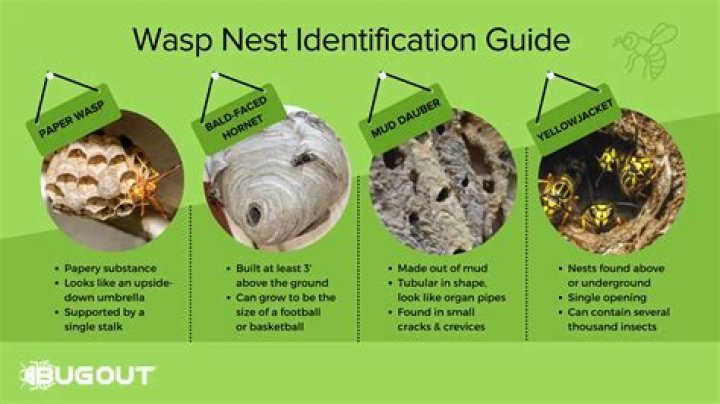
- #5 Hornets, Bees, Wasp. ...
- #4 Horses, Cows, and Other Farm Animals. ...
- #3 Deer. ...
- #2 Dogs. Everyone is familiar with humanity's best friend. ...
- #1 Humans. Of course humans top this list.
Are there bears in the North Carolina mountains?
Black bears are found in the Mountains and Coastal Plain of North Carolina. There are between 4,000 to 6,000 bears in western part of North Carolina, and between 9,000 to 11,000 bears in the eastern part of North Carolina.